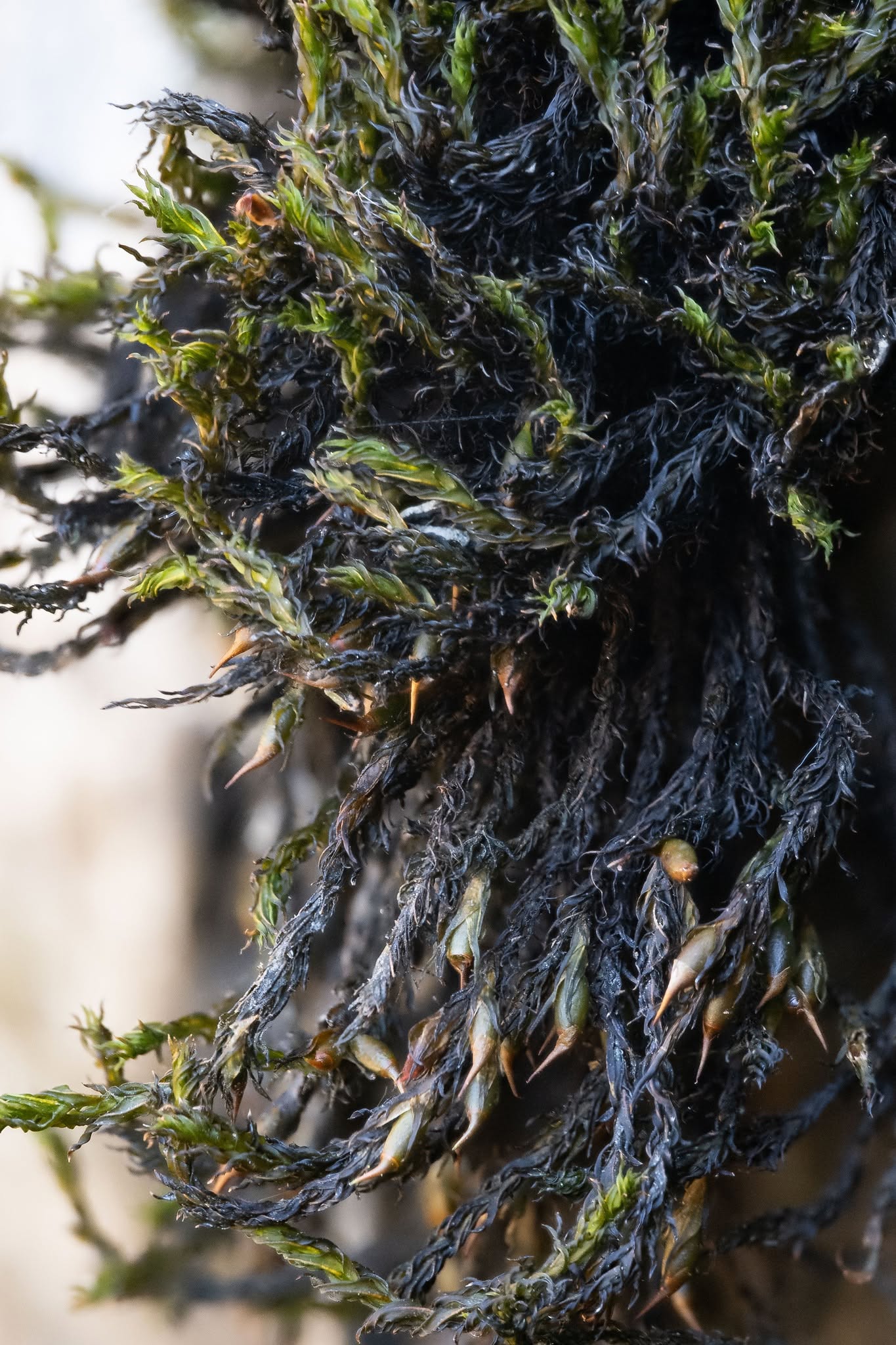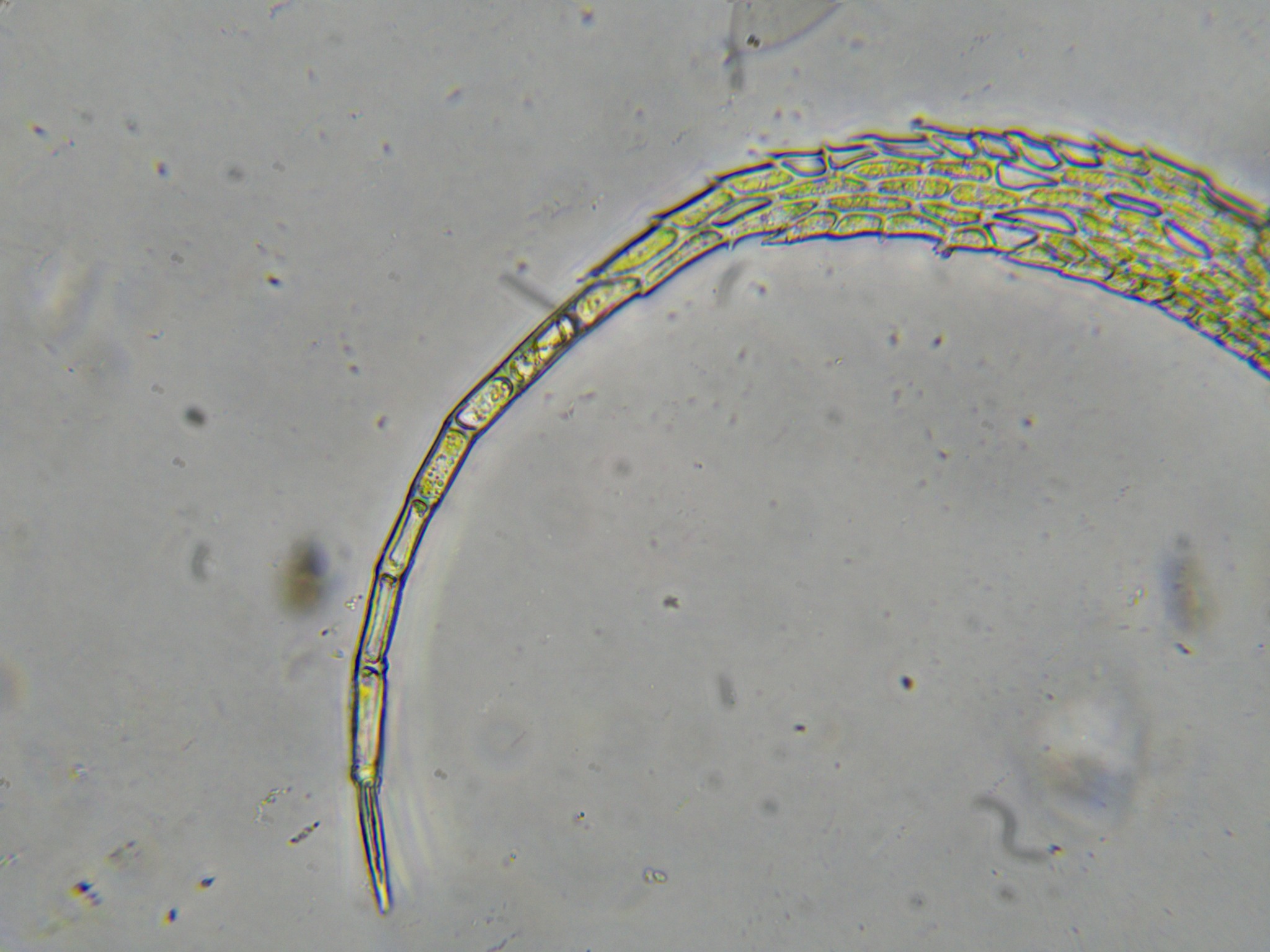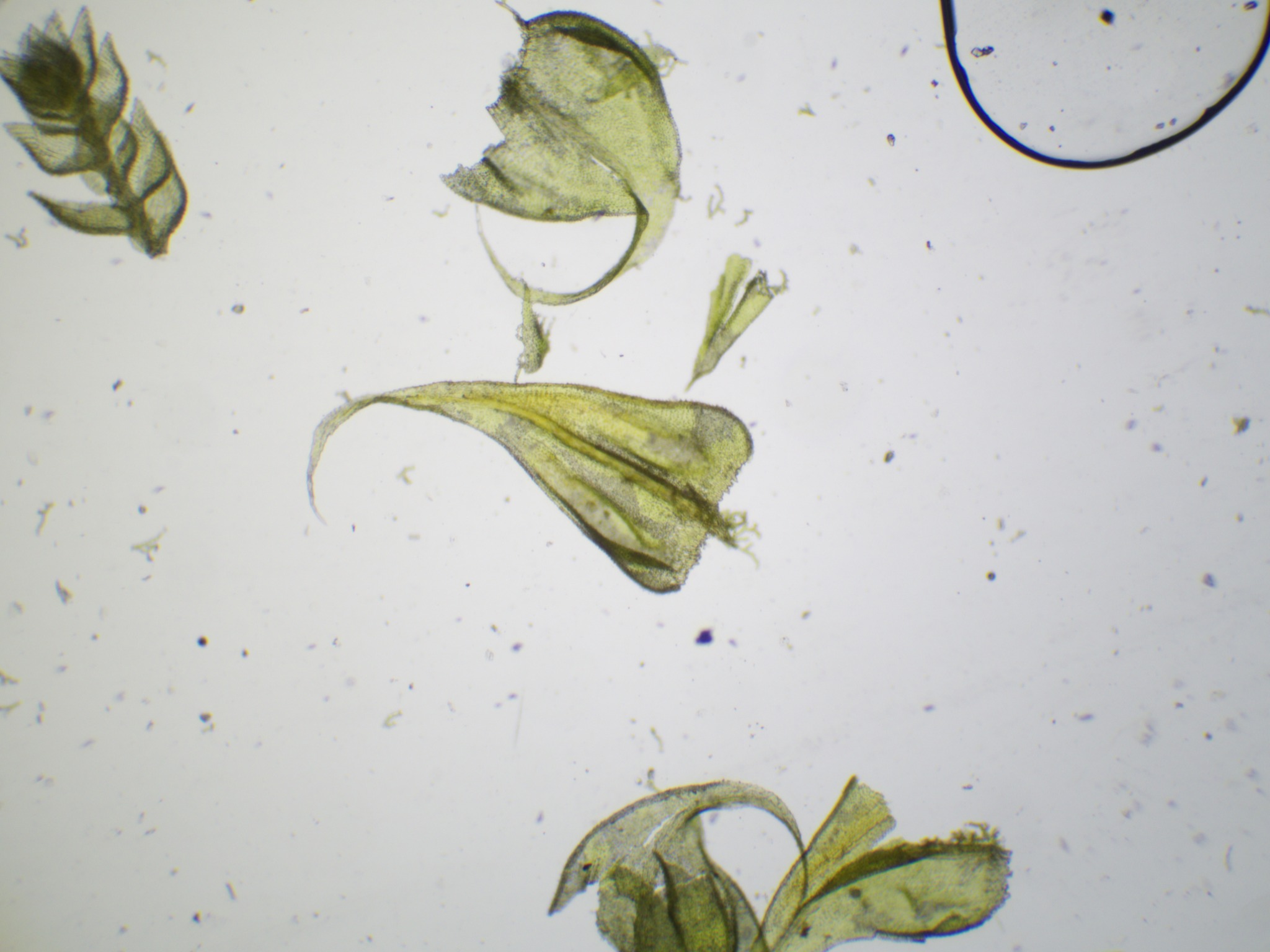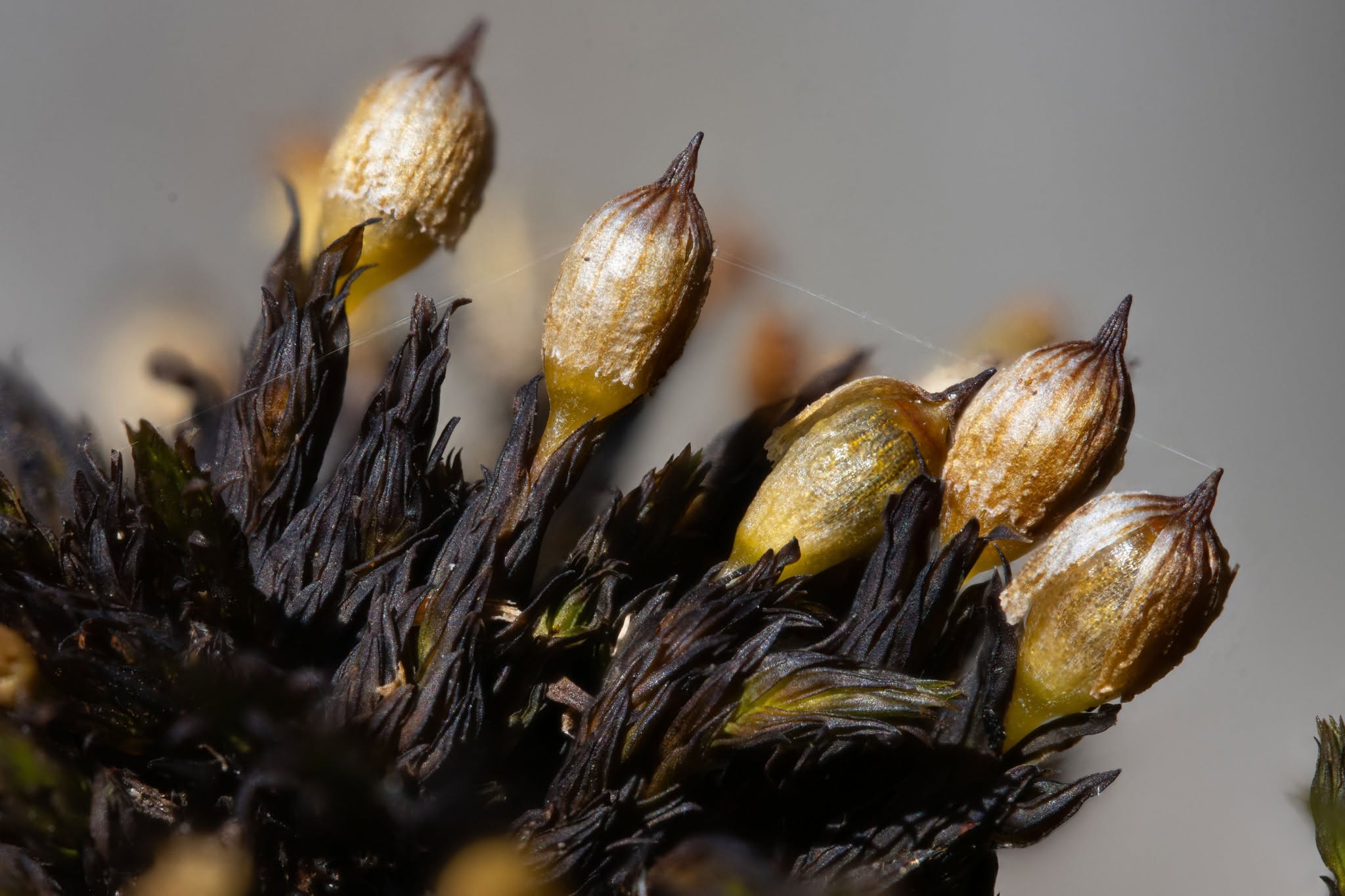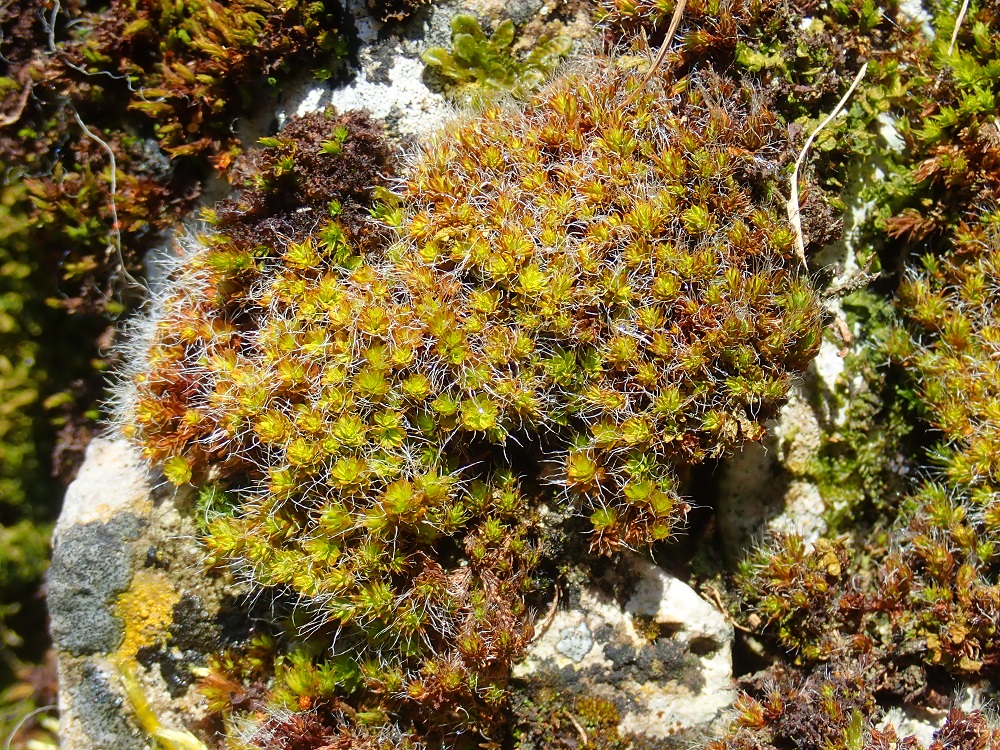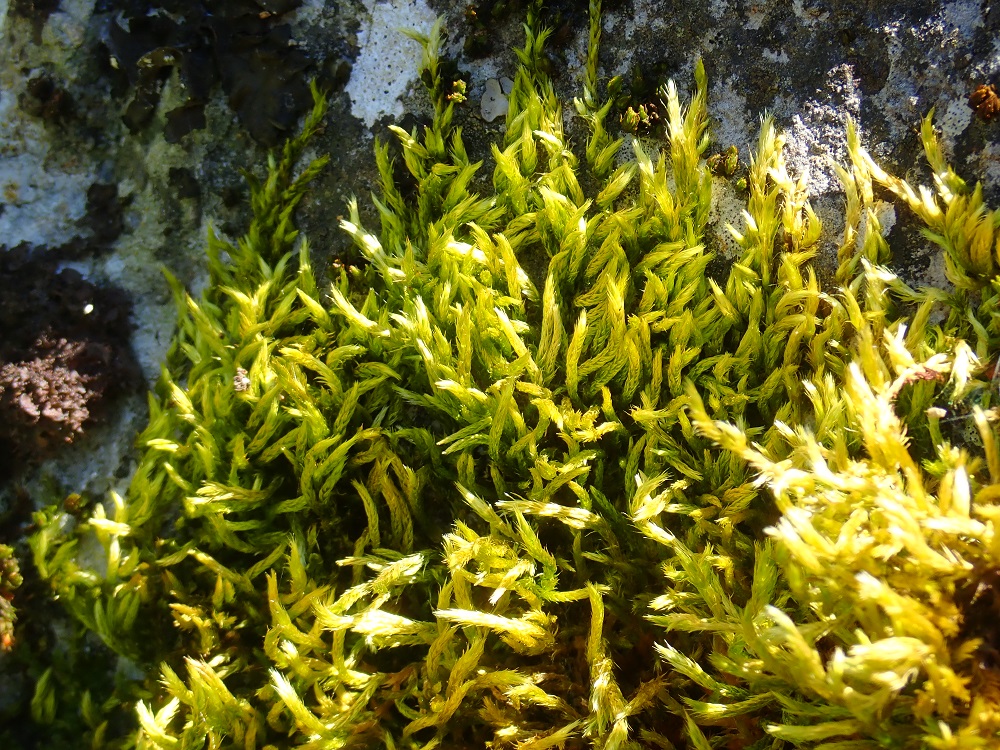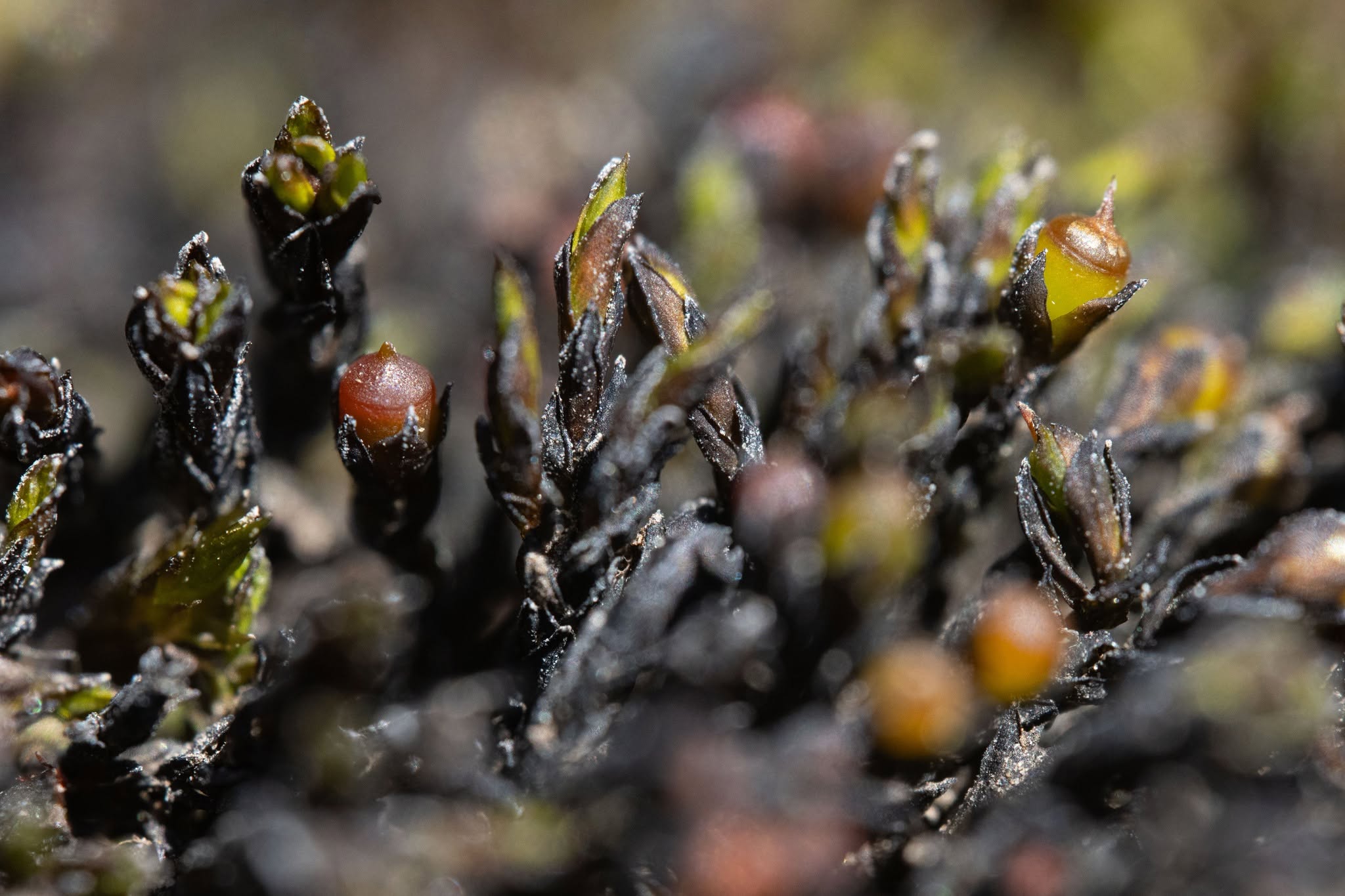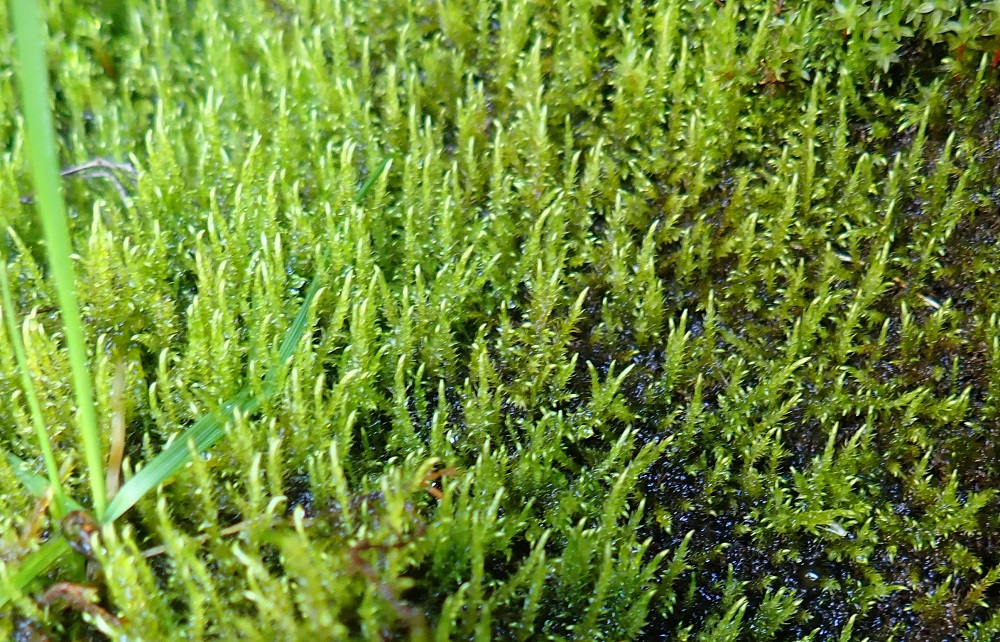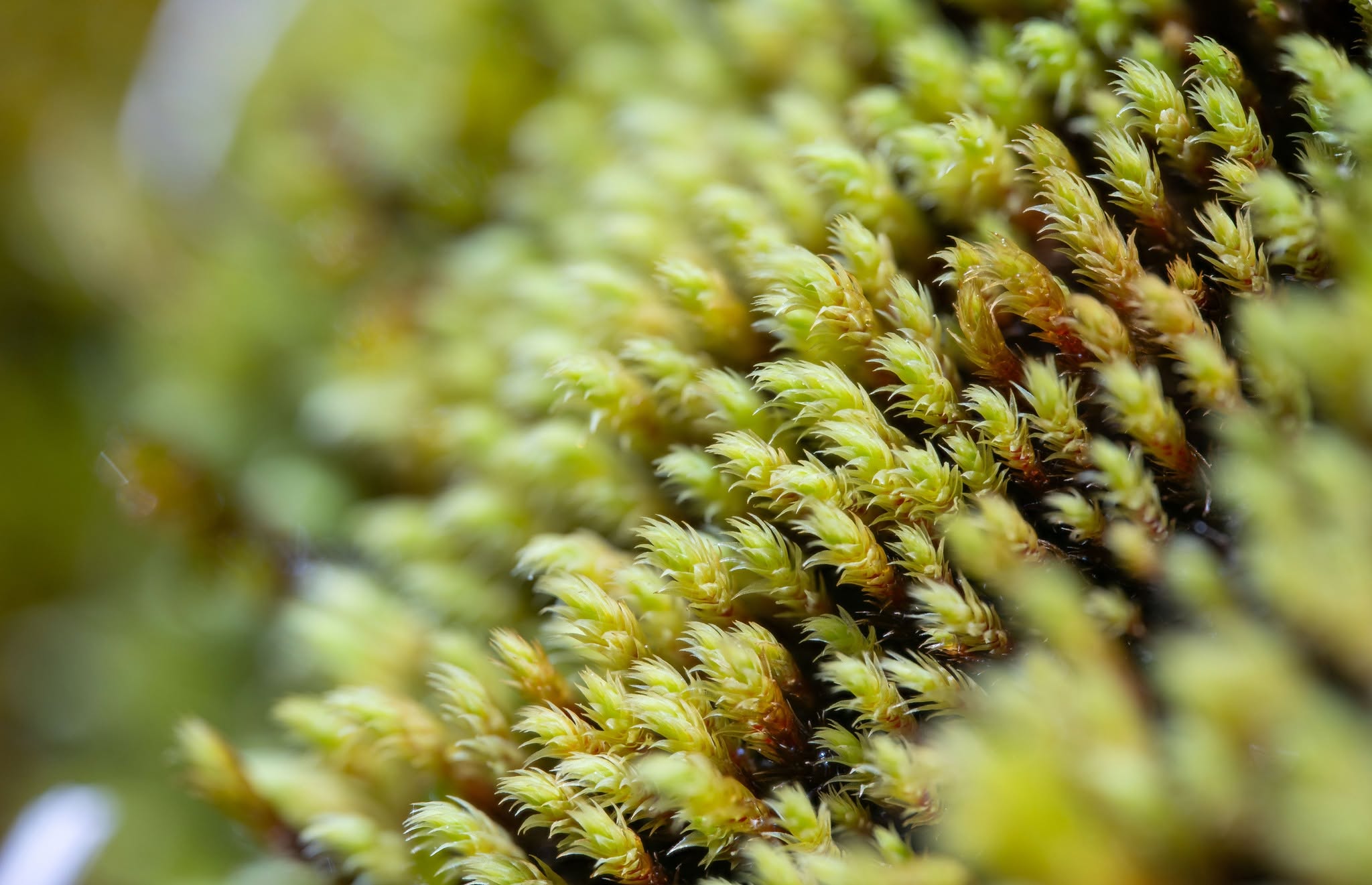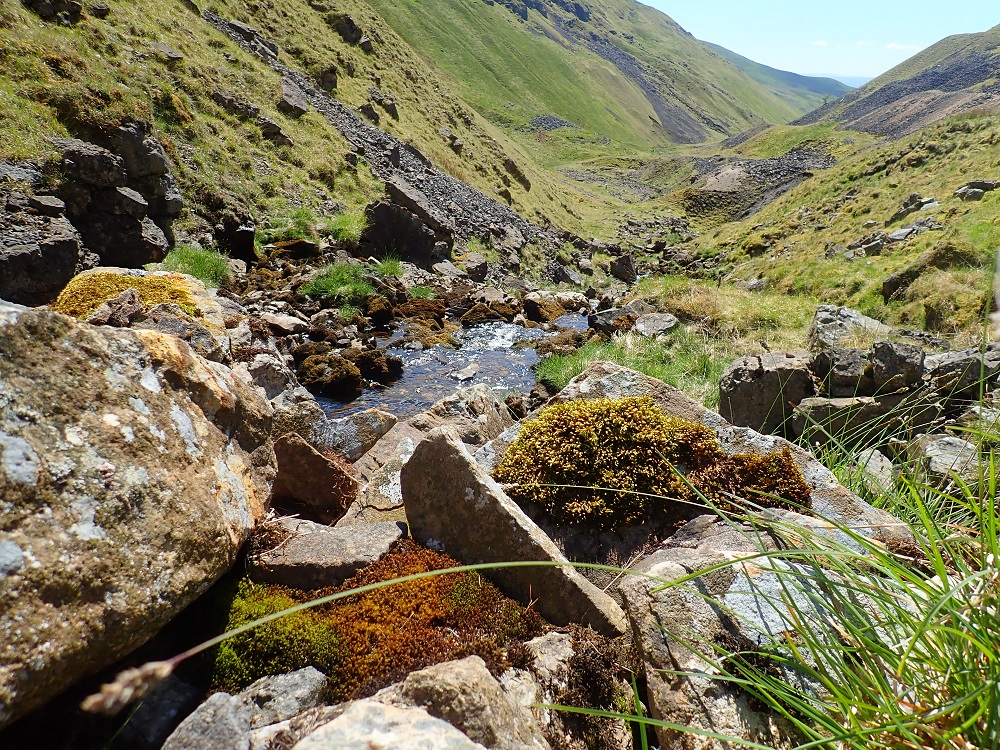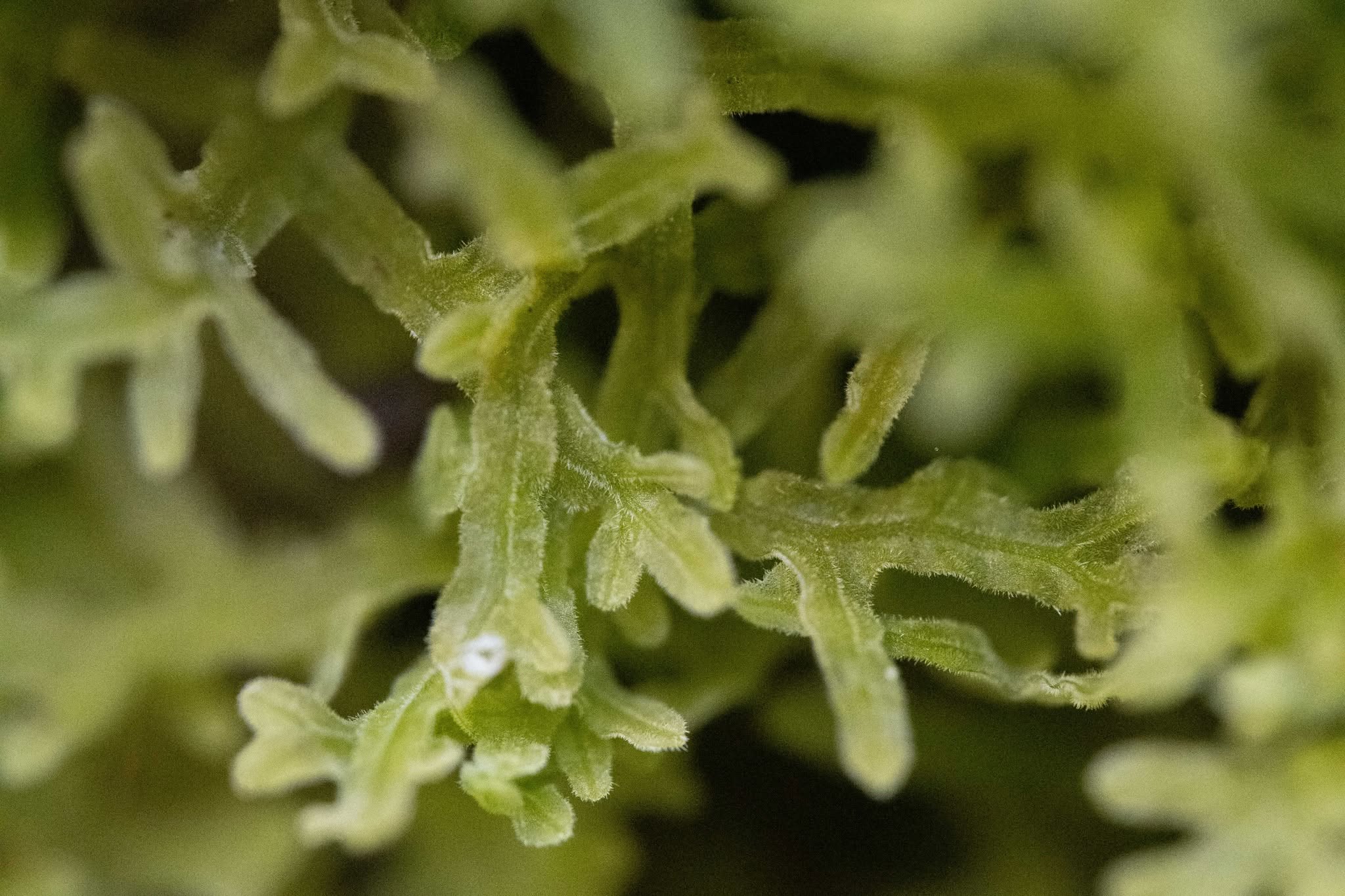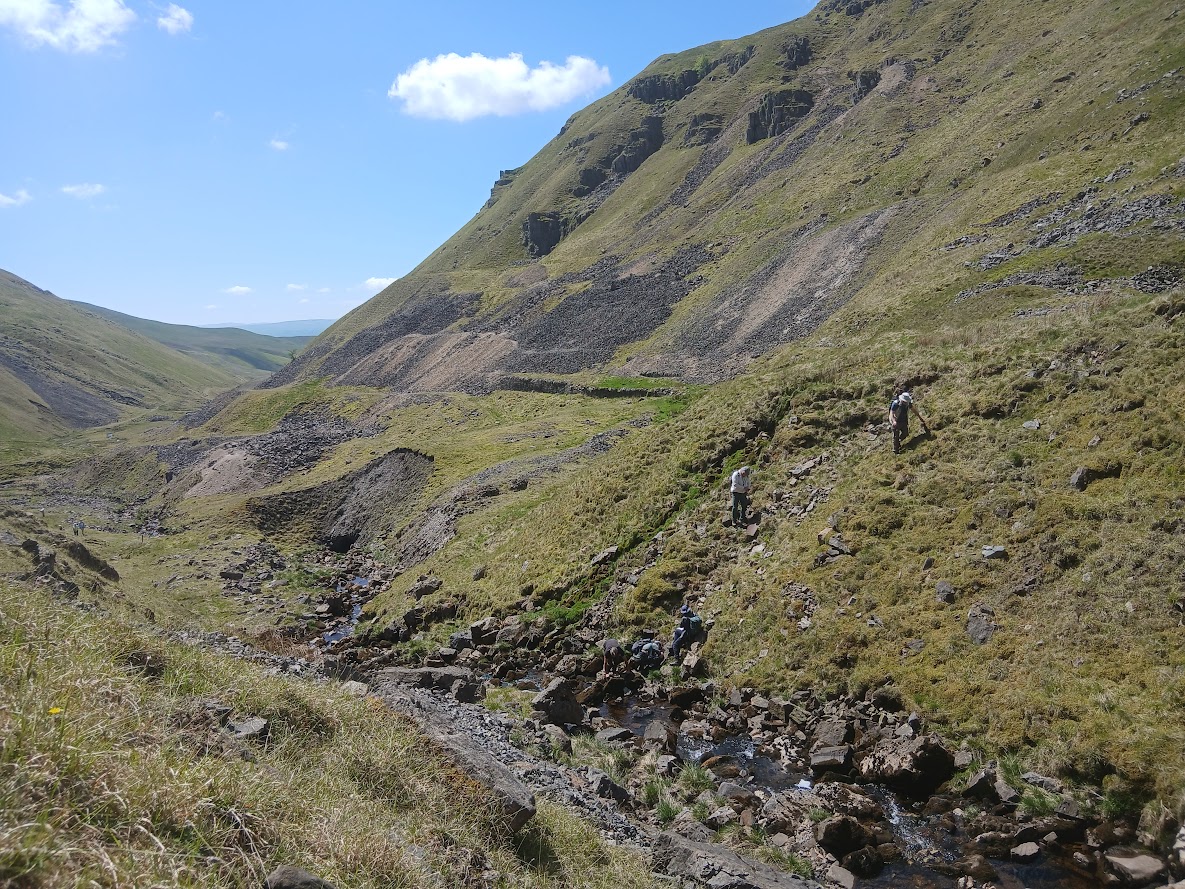
On what promised to be a glorious sunny day, seven bryologists met in Murton for our visit to Scordale. The valley lies wholly within the Warcop Training Area and is usually closed to the public. Although the visit coincided with an access weekend, we had permission from the Defence Infrastructure Organisation to visit as a group and collect specimens where necessary for identification. At the footbridge, it was decided to aim for Dow Scar at the head of the valley and concentrate on monad NY7622. This is a diverse area with old lead and barytes workings, limestone and sandstone cliffs and scree, Scordale Beck and numerous small flushes.
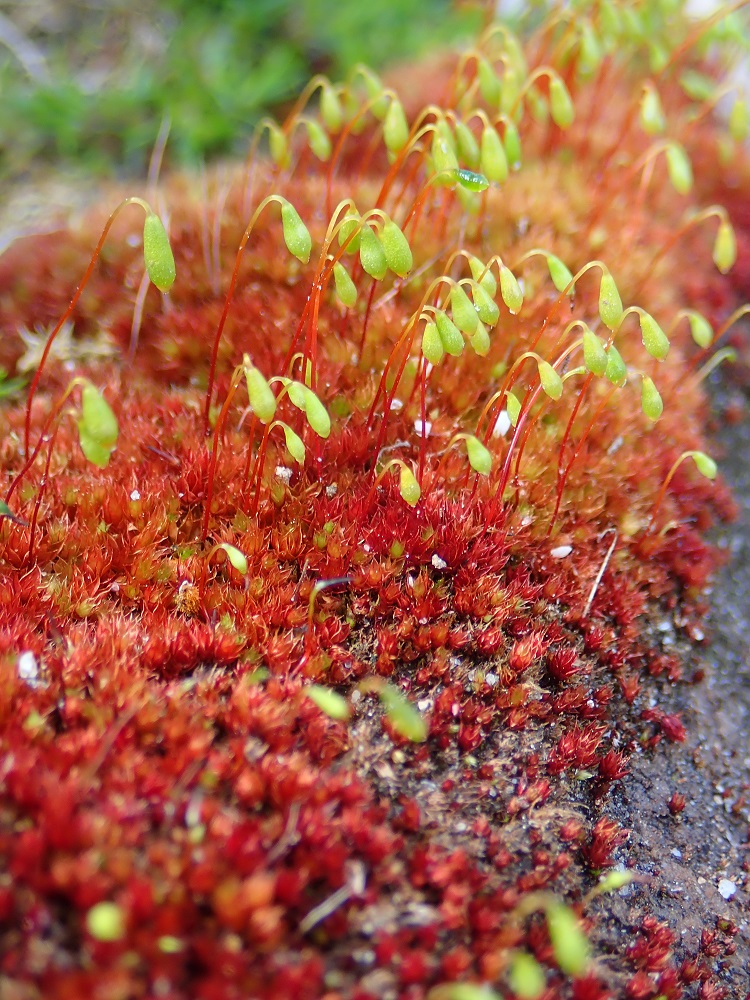
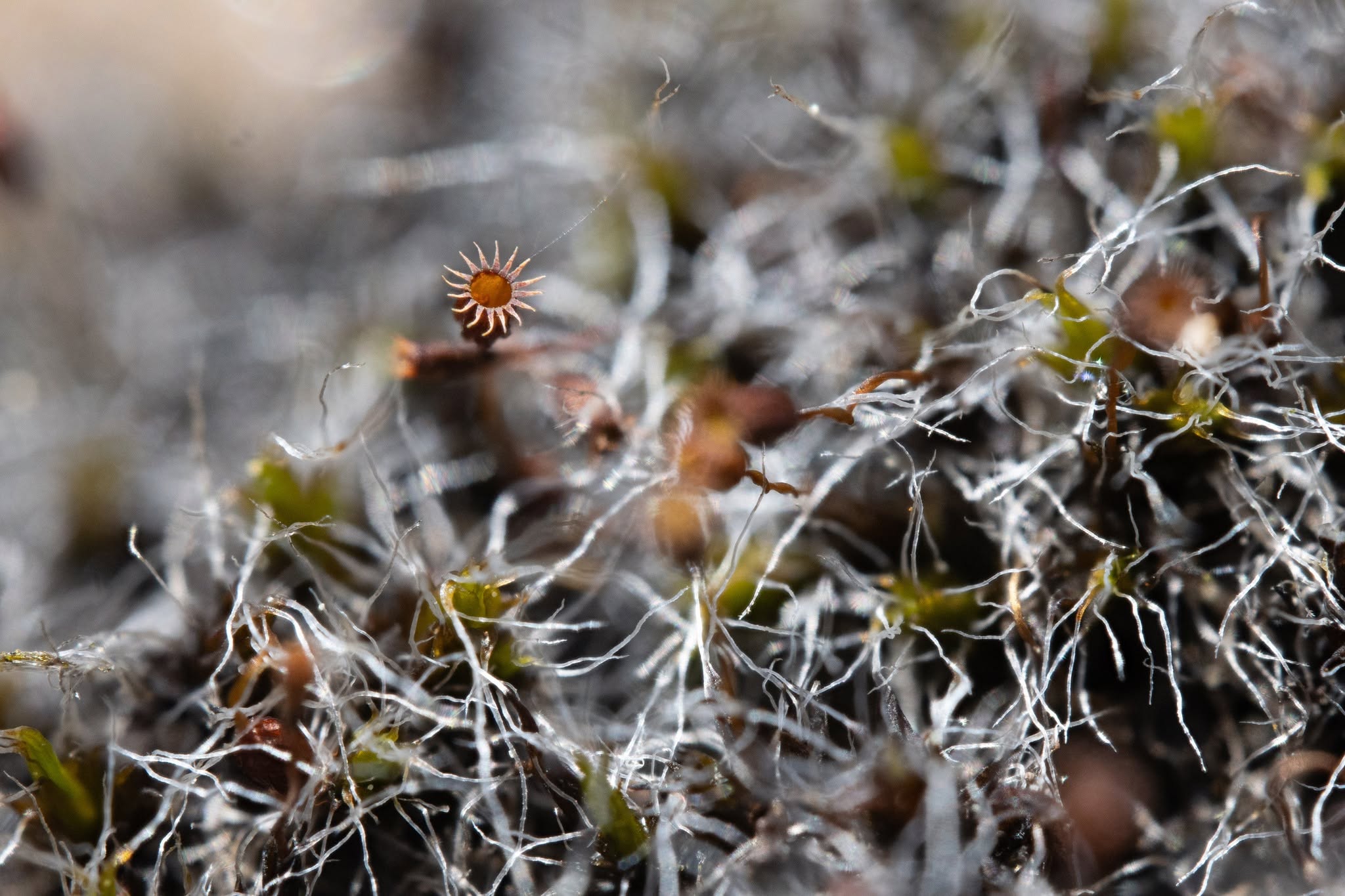
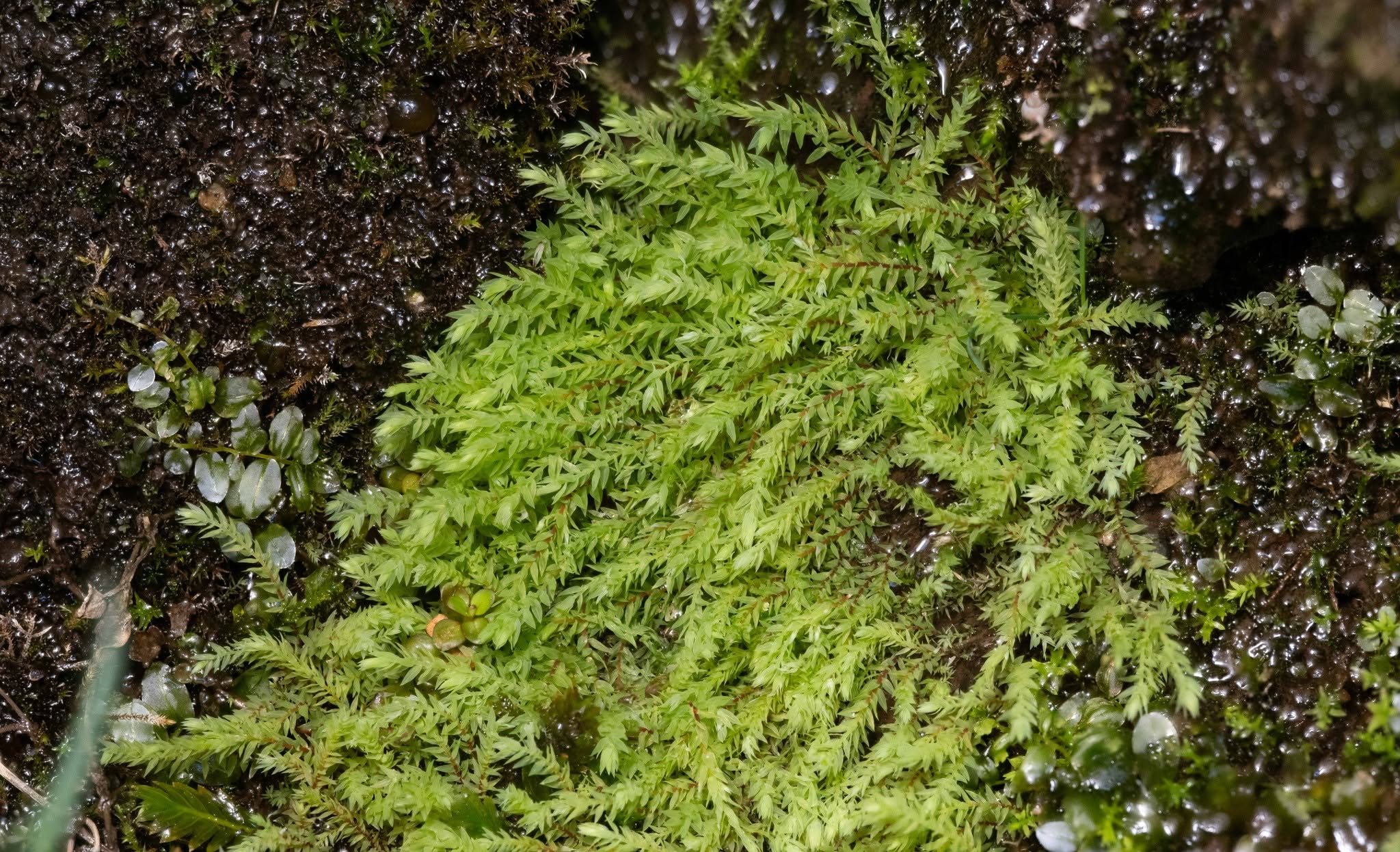
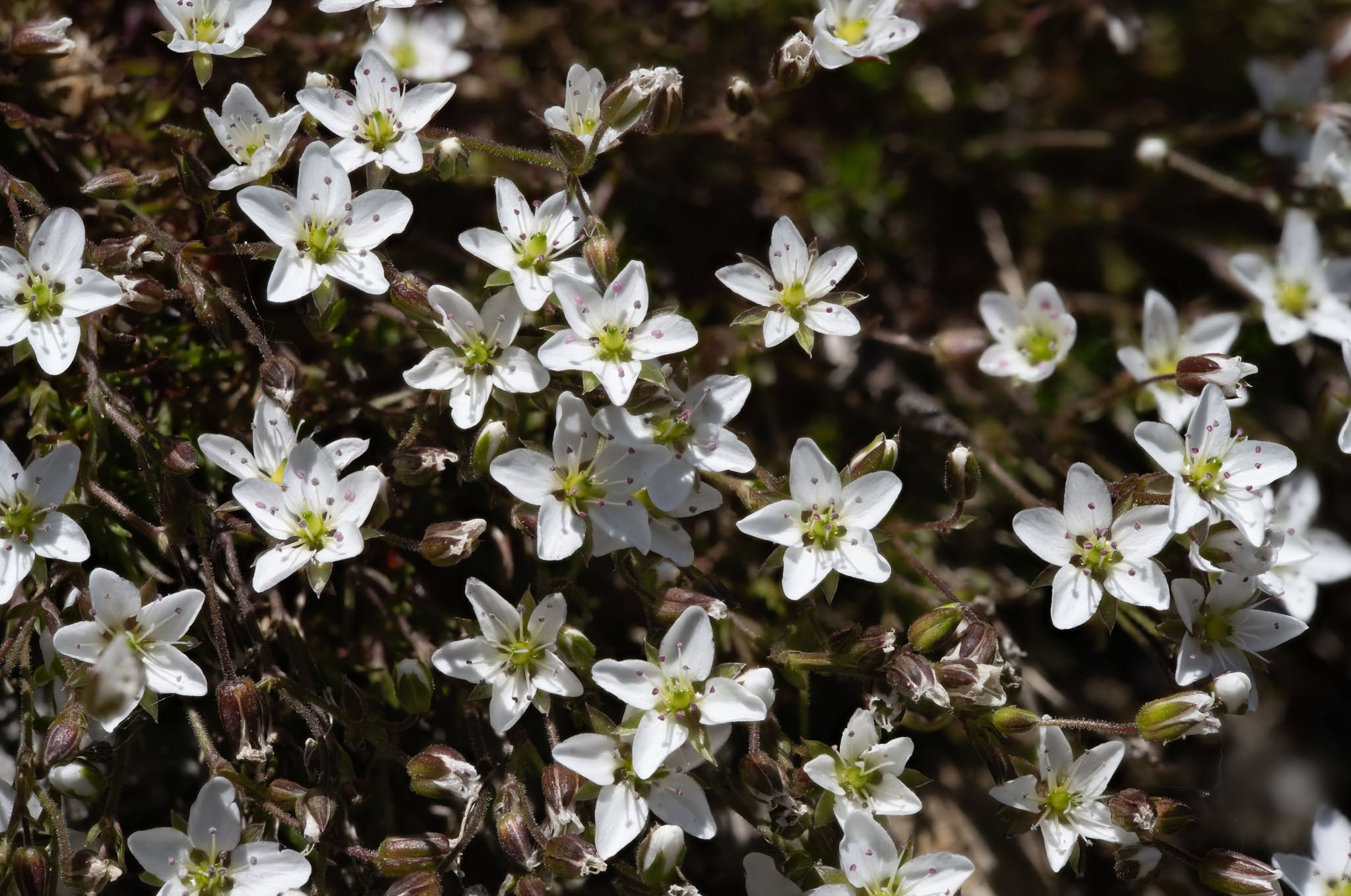
Our first stop was Stow Gill where we found abundant Cinclidotus fontinaloides and Brachythecium rivulare in the beck with lesser amounts of Bryum pseudotriquetrum, Philonotis fontana and Fontinalis antipyretica. These species were later also found in Scordale Beck. Mossy Saxifrage Saxifraga hypnoides was abundant in the grassland with Hylocomiadelphus triquetrus, Frullania tamarisci and Thuidium tamariscinum also frequent in the sward. One sample of a slightly different Thuidim collected by Paul W was later identified by Clare as T. assimile. Large areas of limestone block scree had Neckera crispa, Ctenidium molluscum and Scapania aspera, Racomitrium obtusum and R. heterostichum but more remarkable were the huge patches of Limestone Fern Gymnocarpium robertianum growing together with smaller amounts of Oak Fern G. dryopteris, Beech Fern Phegopteris connectilis and Parsley Fern Cryptogramma crispa. Spring Sandwort Sabulina verna was also abundant in places, particularly around the old lead workings where it was growing with red patches of Bryum pallens.
By now it was becoming very warm, and we sought the shade of Dow Scar. Here we found a good range of mosses including Amphidium mougeotii, Anomodon viticulosus, Trichostomum crispulum, Orthothecium intricatum, Mnium stellare and Bartramia ithyphylla. The liverworts Porella arboris-vitae, Metzgeria pubescens and Reboullia hemispherica were also present on the shaded north-west facing crag. Sunnier, south facing aspects were covered in Syntrichia montana, Homalothecium lutescens and Porella platyphylla. Lunch gave us the opportunity to enjoy the spectacular view down the valley whilst listening to Curlew calling from the moors above.
After lunch we descended to Scordale Beck where we found Hygrohypnum luridum, Sciuro-hypnum plumosum, Racomitrium aciculare and both Schistidium rivulare and S. platyphyllum. Flushes around the beck had abundant Palustriella commutata, Cratoneuron filicinum, Jungermannia atrovirens, Plagiomnium elatum and Philonotis fontana. A ‘different’ Philonotis checked later by Gary proved to be P. calcarea. Eucladium verticillatum, Gymnostomum aeruginosum, Dichodontium flavescens and Aneura pinguis were also found here.
Reaching the edge of the monad at about 3pm with the heat intensifying, we decided to start the long walk back. Here we met the lichen group who were still working their way up the valley! Two final species, Entodon concinnus and Campylium chrysophyllum were found by the path, rounding off the day nicely.
Prior to our visit, there were only two bryophyte records for NY722; Metzgeria pubescens and Orthothecium intricatum. The list now exceeds 100 species. As usual, we only covered part of the monad, so there are probably many more species out there! Thanks to everyone who came along and made it such an interesting and enjoyable visit.
Text: Kerry Milligan
Photos; Paul Ross, Clare Shaw, Kerry Milligan